

When facade insulation is discussed, many people immediately think of subsidies. This makes sense, as financial support can make the investment more attractive. However, the question often arises as to what happens when subsidies disappear or decrease. Is facade insulation still worth the effort then?
The short answer is yes. Although subsidies can shorten the payback period, the benefits of facade insulation continue to go far beyond just the initial grant.
1. Why do people choose facade insulation?
The main reason is simple -> less heat loss.
In older homes, a significant portion of heat is lost through the exterior walls. As a result, the heating must work harder to maintain the same temperature, resulting in higher energy costs.
By insulating the facade, the home becomes more energy-efficient and comfortable, regardless of whether subsidies are available.
Lower energy costs year after year
Energy prices can rise and fall, but one principle always remains the same: a well-insulated home consumes less energy.
Facade insulation helps to keep heat inside longer during the winter and limits overheating during hot summer days. As a result, you need to heat less and often cool less as well.
Furthermore, the savings do not stop after a few years. As long as the insulation remains in place, you enjoy lower energy consumption.
A better EPC score remains valuable
Even without subsidies, a good EPC score remains important.
More and more prospective buyers look at a home’s EPC before making an offer. Homes with a better energy score are often more attractive on the real estate market because future owners have to carry out fewer renovation works.
Facade insulation can contribute to a better EPC score and thus support the market value of your home.
More comfort at home
The financial saving is only one part of the story.
Many owners primarily notice the difference in comfort:
- Fewer cold walls in winter
- Less feeling of a draft
- More stable indoor temperatures
- More pleasant living spaces
- Fewer temperature fluctuations
Those are benefits you experience every day, regardless of any subsidies.
Facade insulation and a new look in one renovation
With exterior facade insulation, a new finish such as render is often chosen.
As a result, you not only improve the energy performance of the home, but you also give the entire facade a modern and well-maintained appearance. For many owners, this is an additional reason to make the investment.
After all, you combine energy savings with a complete facade renovation.
2. When is facade insulation most interesting?
Facade insulation generally yields the highest return for:
- Homes without existing wall insulation
- Older homes with a poor EPC score
- Homes where the facade needs to be renovated anyway
- Owners who want to make their home more energy-efficient
- Owners who want to increase the value of their home
In these situations, facade insulation remains an interesting investment, even without financial support.
Conclusion
Subsidies can make the investment in facade insulation more attractive, but they are rarely the only reason to insulate.
Lower energy costs, more living comfort, a better EPC score, and a renewed appearance ensure that facade insulation remains a valuable investment even without subsidies.
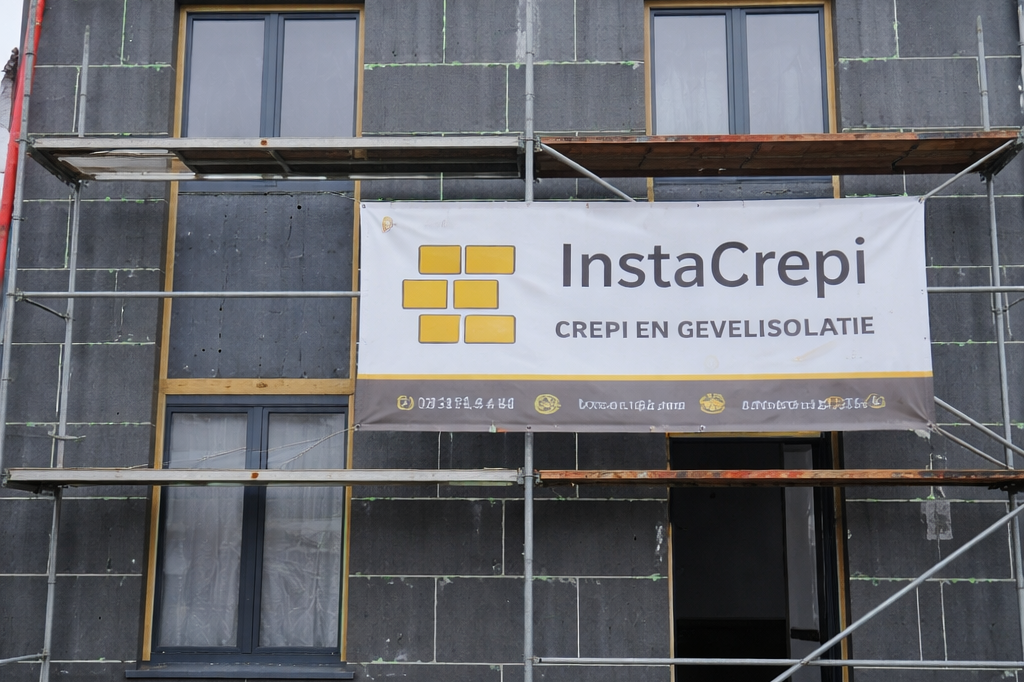
Do you want to know what the possibilities are for your home? Instacrepi is ready with tailored advice and a non-binding analysis of your facade. Contact us today.
Other Articles
01/09/2026
What does an EPC inspector actually check?
Many owners receive an EPC certificate without knowing exactly how the score is…
06/07/2026
Does facade insulation really improve my EPC?
Facade insulation is among the most effective renovations to lower your home's…

18/06/2026
Roof insulation or facade insulation: which investment improves your EPC the most?
Want to improve your EPC but don't know whether it's better to invest in roof…
